
About RizzitGO Spreadsheet
Click the images below to browse!













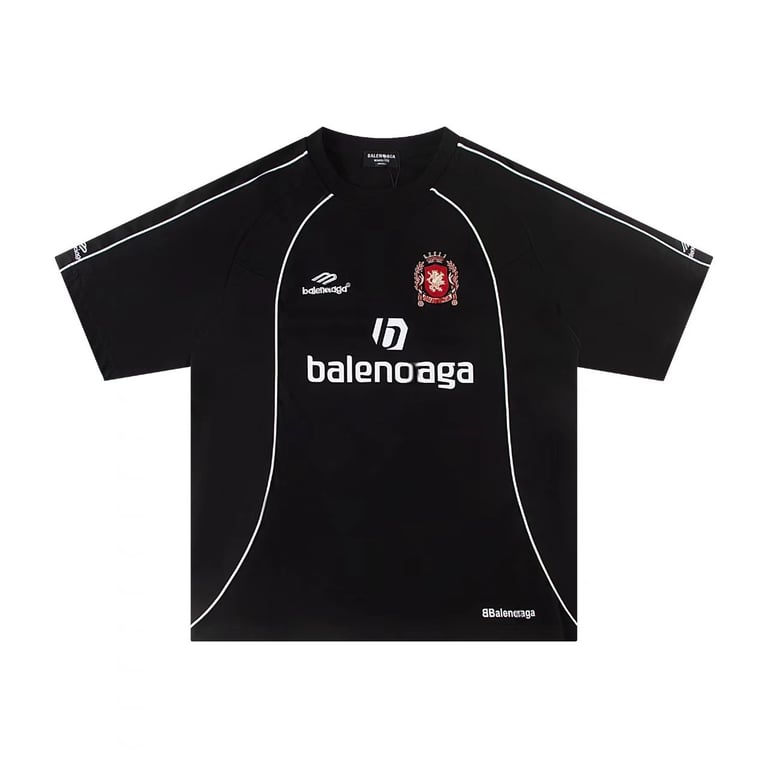
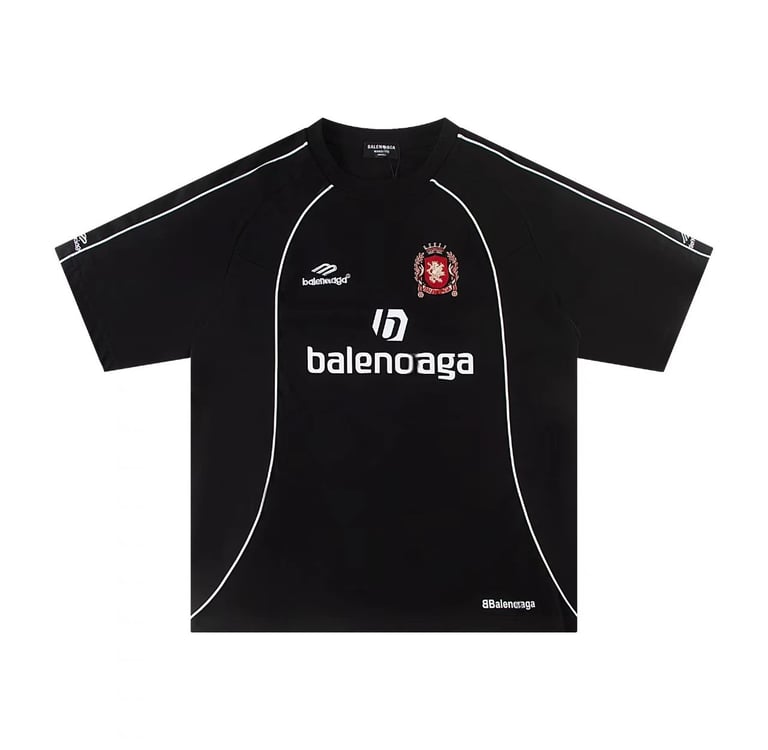



How Rizzitgo spreadsheet improves early-stage product discovery speed
Early-stage product discovery in global fashion sourcing is rarely limited by lack of products. The real constraint is time—specifically, the delay between the first appearance of an item in fragmented supplier environments and the moment it becomes recognizable as a potential trend. The Rizzitgo spreadsheet is designed to reduce this delay by restructuring how early signals are captured, grouped, and surfaced.
Instead of relying on visible demand, it focuses on the earliest structural signals that appear inside supply networks before products gain traction.
Discovery starts before “search” becomes meaningful
In most sourcing systems, discovery begins when a user actively searches for a product. However, by that stage, many early opportunities are already distributed across micro-stores and inconsistent listings.
The Rizzitgo spreadsheet shifts discovery earlier by continuously organizing incoming supplier data into pre-structured clusters. This allows product exposure to happen before users even define what they are looking for.
Rather than reacting to search intent, the system exposes emerging product patterns as they form.
Early-stage signals are grouped before they become visible trends
Inside the Rizzitgo spreadsheet, early product discovery is driven by signal clustering rather than keyword matching. Small fragments of product activity are continuously grouped into potential trend structures.
These include:
Repeated appearance of similar items across unrelated suppliers
Early variation of a single design direction across listings
Gradual accumulation of related products within narrow categories
Cross-store emergence of near-identical product structures
Individually, these signals are weak. But when grouped inside the Rizzitgo spreadsheet, they form early discovery clusters.
From scattered listings to structured discovery paths
A major delay in traditional sourcing is fragmentation. Products exist, but they are scattered across platforms, making early identification slow and inconsistent.
The Rizzitgo spreadsheet resolves this by converting scattered listings into structured discovery paths:
Similar items are grouped into unified entry points
Related suppliers are mapped under shared product clusters
Emerging categories are formed before they are officially recognized in the market
This reduces the need for manual scanning across multiple sources and accelerates first-touch discovery.
Discovery speed increases through pattern recognition, not browsing
Traditional browsing requires users to move through categories, filters, and pages to find relevant products. The Rizzitgo spreadsheet removes this dependency by prioritizing pattern recognition.
Instead of asking users to find products, it surfaces:
Emerging product families before they are labeled
Early-stage variations before they are standardized
Cross-supplier similarities before they are categorized
This transforms discovery from an active search process into a passive pattern exposure system.
Supplier-side activity becomes an early discovery trigger
One of the strongest early indicators of product potential is supplier behavior. The Rizzitgo spreadsheet tracks how suppliers introduce and replicate items across short time intervals.
Key triggers include:
Rapid introduction of similar products by different suppliers
Early replication of design structures across micro-stores
Gradual expansion of variations around a single product concept
These behaviors often appear before any visible consumer demand, making them critical for early discovery acceleration.
Reducing discovery latency through pre-structured grouping
The biggest improvement in early-stage discovery speed comes from eliminating the need to assemble information manually.
Within the Rizzitgo spreadsheet:
Related products are already grouped before user interaction
Emerging clusters are pre-built from incoming supplier data
Early signals are organized into navigable structures
This reduces the latency between exposure and understanding, allowing users to recognize opportunities faster without reconstructing context.
Linking early discovery to actionable sourcing via Rizzitgo links
Early discovery is only useful if it can be acted upon immediately. The Rizzitgo links system connects discovery clusters directly to supplier access points.
Through this integration:
Users can jump directly from early signals to product listings
Discovery clusters translate into executable sourcing paths
Emerging items can be validated in real supplier environments
This closes the gap between identification and action.
Conclusion
The Rizzitgo spreadsheet improves early-stage product discovery speed by restructuring how product signals are collected and interpreted. Instead of relying on search-driven exploration, it surfaces emerging patterns before they become visible trends and organizes them into structured discovery paths.
By reducing fragmentation, pre-grouping early signals, and linking them to actionable sourcing routes through Rizzitgo links, the system shortens the time between first market appearance and meaningful product recognition—allowing discovery to happen earlier, faster, and with less effort.